Guide to Keeping Your Emergency Kit Fresh
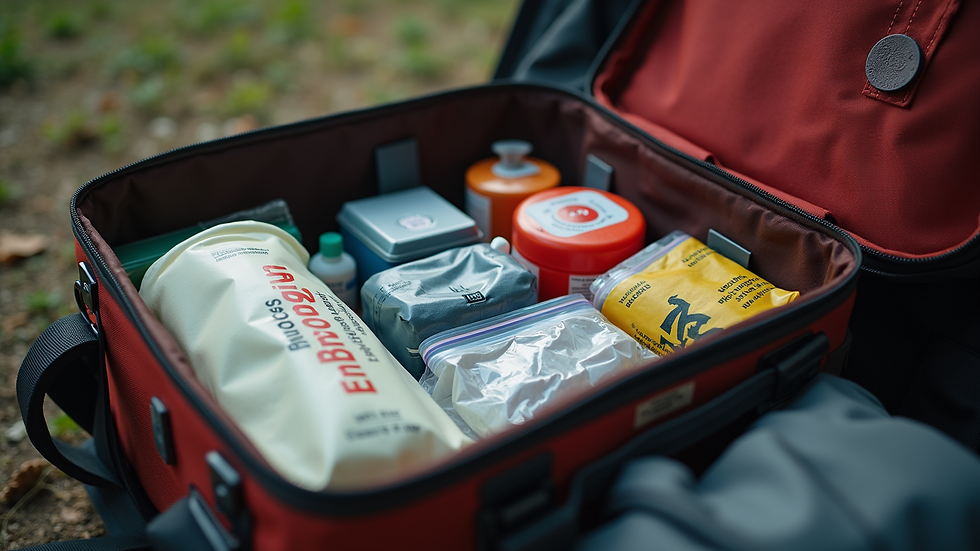
In an unpredictable world, having an emergency kit can be a lifesaver. Whether it's a natural disaster, a power outage, or a personal emergency, being prepared can make all the difference. However, simply having an emergency kit isn't enough; it needs to be regularly updated and maintained to ensure its effectiveness. This guide will walk you through the essential steps to keep your emergency kit fresh and ready for any situation.

Understanding the Importance of a Fresh Emergency Kit
An emergency kit is designed to provide you with the necessary supplies during a crisis. Over time, items can expire, become damaged, or be used up. Keeping your kit fresh ensures that you have everything you need when you need it most. Here are some reasons why maintaining your emergency kit is crucial:
Safety: Expired medications or food can pose health risks.
Readiness: A well-stocked kit allows for quick response in emergencies.
Peace of Mind: Knowing that you are prepared can reduce anxiety during uncertain times.
Key Components of an Emergency Kit
Before diving into how to keep your kit fresh, let’s review the essential components that should be included:
Water: At least one gallon per person per day for three days.
Food: Non-perishable items like canned goods, energy bars, and dried fruits.
First Aid Supplies: Bandages, antiseptic wipes, and any necessary medications.
Tools and Supplies: Flashlights, batteries, multi-tools, and a whistle.
Personal Items: Important documents, cash, and clothing.
Sanitation Supplies: Moist towelettes, garbage bags, and toilet paper.
Regularly Check Expiration Dates
One of the most critical aspects of keeping your emergency kit fresh is to regularly check the expiration dates of food and medications. Here’s how to do it effectively:
Schedule Regular Checks: Set a reminder every six months to review your kit.
Rotate Supplies: Use a first-in, first-out system. When you buy new supplies, place them at the back of the kit.
Document Expiration Dates: Keep a list of expiration dates for easy reference.
Refreshing Food and Water Supplies
Food and water are the backbone of any emergency kit. Here’s how to ensure they remain fresh:
Choose Long-lasting Foods: Opt for items with a long shelf life, such as freeze-dried meals or MREs (Meals Ready-to-Eat).
Store Water Properly: Use food-grade containers and replace water every six months.
Consider Nutritional Needs: Include a variety of foods that meet dietary restrictions or preferences.
Maintaining First Aid Supplies
A well-stocked first aid kit can be invaluable during emergencies. Here’s how to keep it in top shape:
Check for Expired Items: Regularly inspect bandages, ointments, and medications.
Restock After Use: If you use any items, replace them immediately.
Tailor to Your Needs: Consider adding specific items based on your family’s health needs, such as allergy medications or extra supplies for children.
Tools and Equipment Maintenance
Your emergency kit should include tools that are functional and reliable. Here’s how to maintain them:
Inspect Tools Regularly: Check flashlights for battery life and ensure multi-tools are in working order.
Replace Batteries: Use fresh batteries and consider rechargeable options for sustainability.
Keep Everything Organized: Use clear containers or bags to keep items visible and accessible.
Personal Items and Important Documents
In an emergency, having access to personal items and important documents can be crucial. Here’s how to keep them updated:
Create Digital Copies: Scan important documents and store them securely online.
Update Regularly: Review and update personal information, such as insurance policies and medical records.
Keep a Backup: Store a physical copy in your emergency kit, protected in a waterproof bag.
Sanitation Supplies
Sanitation is often overlooked but is essential during emergencies. Here’s how to ensure you have what you need:
Stock Up on Essentials: Include items like hand sanitizer, soap, and toilet paper.
Check Expiration Dates: Some sanitation products may have expiration dates, so check them regularly.
Consider Hygiene Kits: Include feminine hygiene products and baby supplies if applicable.
Educate Your Family
Keeping your emergency kit fresh is not just about the supplies; it’s also about ensuring everyone knows how to use them. Here are some tips for family education:
Conduct Drills: Practice emergency scenarios with your family to familiarize everyone with the kit.
Assign Roles: Designate responsibilities for each family member during an emergency.
Discuss Updates: Regularly talk about the contents of the kit and any changes made.
Conclusion
Maintaining a fresh emergency kit is essential for ensuring your safety and preparedness in times of crisis. By regularly checking expiration dates, refreshing supplies, and educating your family, you can create a reliable resource that will serve you well when it matters most. Take the time today to review your emergency kit and make any necessary updates. Remember, being prepared is the best way to face the unexpected.

Comments