Essential Emergency Kits for Every Family
In an unpredictable world, being prepared for emergencies is crucial. Whether it's a natural disaster, a medical emergency, or a power outage, having the right supplies can make all the difference. This blog post will guide you through the essential emergency kits every family should have, ensuring you are ready for any situation that may arise.
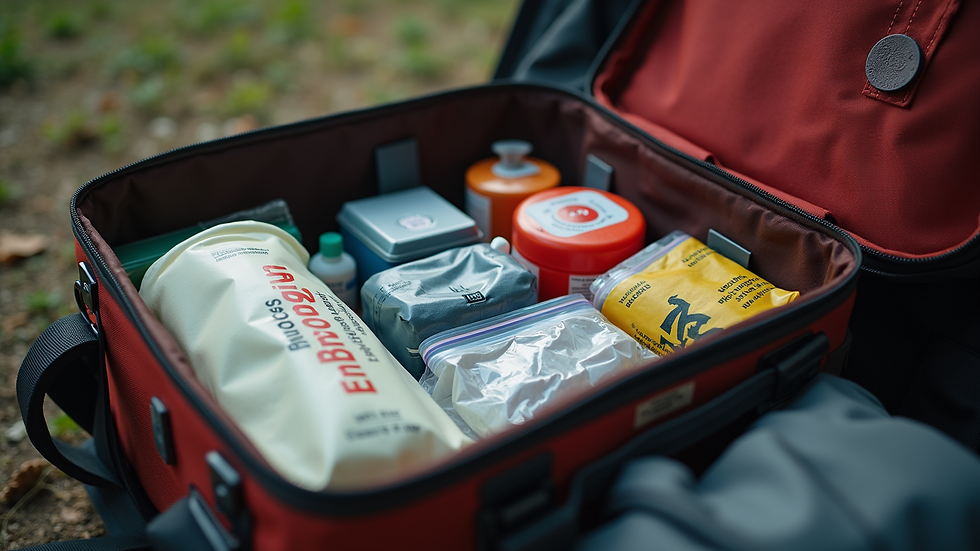
Understanding the Importance of Emergency Kits
Emergencies can happen at any time, and they often come without warning. According to the Federal Emergency Management Agency (FEMA), nearly 60% of Americans have experienced a disaster in their lifetime. This statistic underscores the importance of being prepared. An emergency kit can provide peace of mind and essential supplies during critical moments.
What is an Emergency Kit?
An emergency kit is a collection of basic items your household may need in the event of an emergency. These kits can vary in size and content depending on your family's needs, the types of emergencies you may face, and the duration of time you may need to be self-sufficient.
Types of Emergency Kits
72-Hour Emergency Kit
A 72-hour emergency kit is designed to sustain you and your family for three days without outside assistance. This kit is essential for situations where you may be cut off from resources, such as during a natural disaster.
Key Items to Include:
Water: One gallon per person per day.
Non-perishable Food: Energy bars, canned goods, and dried fruits.
First Aid Kit: Bandages, antiseptics, and any necessary medications.
Flashlight and Batteries: For light during power outages.
Multi-tool or Swiss Army Knife: Useful for various tasks.
Vehicle Emergency Kit
Having an emergency kit in your vehicle is just as important as having one at home. You never know when you might encounter car trouble or an unexpected situation on the road.
Key Items to Include:
Jumper Cables: To help restart a dead battery.
Road Flares or Reflective Triangles: For visibility in case of a breakdown.
Blanket: To keep warm if stranded.
Basic Tool Kit: For minor repairs.
Water and Snacks: To stay hydrated and nourished.
Home Emergency Kit
Your home emergency kit should be tailored to your family's specific needs and the potential risks in your area, such as earthquakes, floods, or hurricanes.
Key Items to Include:
Whistle: To signal for help if needed.
Dust Masks: To filter contaminated air.
Local Maps: In case GPS is unavailable.
Personal Hygiene Items: Toiletries and sanitation supplies.
Important Documents: Copies of insurance policies, identification, and medical records.
Customizing Your Emergency Kits
Every family is unique, and so are their needs. Here are some tips for customizing your emergency kits:
Consider Family Size and Ages
Infants: Include baby formula, diapers, and wipes.
Elderly Family Members: Ensure medications and mobility aids are included.
Pets: Don’t forget food, water, and any necessary supplies for your pets.
Assess Your Environment
Natural Disasters: If you live in an area prone to earthquakes, include items like sturdy shoes and a hard hat.
Climate Considerations: In colder climates, pack extra blankets and hand warmers.
Regular Maintenance of Your Emergency Kits
Creating an emergency kit is just the first step. Regular maintenance is essential to ensure your supplies are up-to-date and functional.
Check Expiration Dates
Food and Water: Regularly check the expiration dates on food items and replace them as necessary.
Medications: Ensure that any medications are current and not expired.
Update Your Kits
Seasonal Changes: As seasons change, update your kits with appropriate items, such as sunscreen in summer or warm clothing in winter.
Family Changes: If your family grows or changes, reassess your kits to ensure they meet everyone’s needs.
Educating Your Family
Having an emergency kit is only part of the preparation process. It’s equally important to educate your family on how to use the items in the kit and what to do in an emergency.
Conduct Drills
Practice Scenarios: Regularly practice emergency scenarios with your family, such as fire drills or evacuation plans.
Review Kit Contents: Go through the kit together to familiarize everyone with its contents.
Create a Communication Plan
Emergency Contacts: Make a list of important contacts and ensure everyone knows how to reach them.
Meeting Points: Establish safe meeting points in case you are separated during an emergency.
Conclusion
Being prepared for emergencies is not just about having supplies; it’s about ensuring your family is ready to face unexpected situations with confidence. By creating and maintaining essential emergency kits tailored to your family’s needs, you can provide peace of mind and safety for your loved ones.
Take the time today to assess your current emergency kits, make necessary updates, and involve your family in the process. Preparedness is a shared responsibility, and together, you can face any challenge that comes your way.


Comments