Custom Preparedness Kits: Tailored to Your Needs
In an unpredictable world, being prepared for emergencies is more important than ever. Whether it's natural disasters, power outages, or unexpected events, having a custom preparedness kit can make all the difference. This blog post will guide you through the essentials of creating a tailored kit that meets your specific needs, ensuring you and your loved ones are ready for anything.

Understanding the Importance of Preparedness Kits
Preparedness kits are not just a luxury; they are a necessity. According to the Federal Emergency Management Agency (FEMA), nearly 60% of Americans have experienced a disaster in their lifetime. This statistic highlights the need for everyone to have a plan and the right supplies on hand.
Why Customization Matters
Every individual or family has unique needs based on various factors such as:
Location: Urban vs. rural living can dictate the types of emergencies you may face.
Family Size: More people require more supplies.
Health Conditions: Specific medical needs must be addressed.
Lifestyle: Outdoor enthusiasts may need different gear compared to those who stay indoors.
By customizing your preparedness kit, you ensure that it is not only comprehensive but also relevant to your situation.
Key Components of a Custom Preparedness Kit
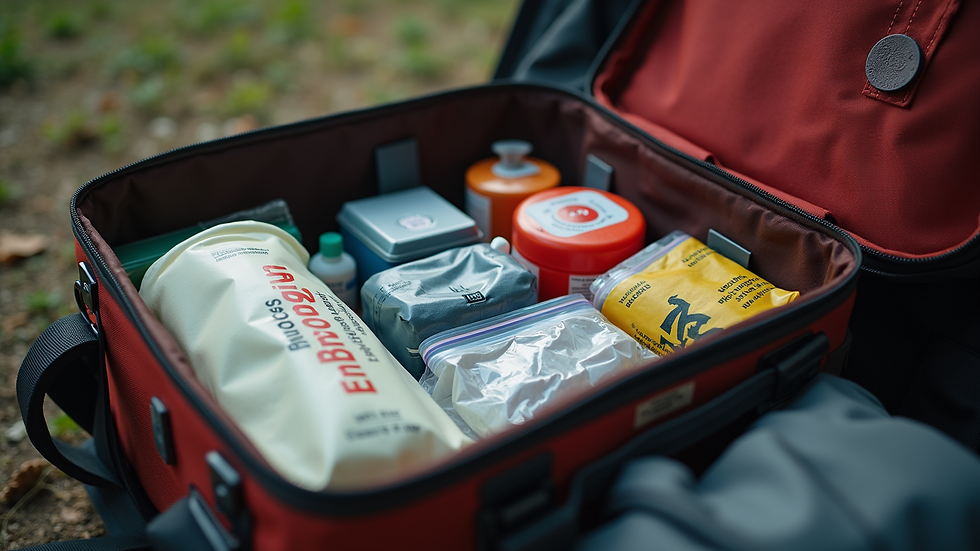
Creating a custom preparedness kit involves several essential components. Here’s a breakdown of what to include:
Water and Food Supplies
Water: Store at least one gallon of water per person per day for at least three days. Consider adding purification tablets or filters.
Non-perishable Food: Include items like canned goods, energy bars, and dried fruits. Aim for a three-day supply per person.
First Aid Kit
A well-stocked first aid kit is crucial. Include:
Adhesive bandages
Antiseptic wipes
Gauze and tape
Pain relievers
Any prescription medications
Tools and Supplies
Multi-tool: A versatile tool can serve multiple purposes.
Flashlight: Ensure you have extra batteries.
Whistle: For signaling for help.
Duct Tape: Useful for a variety of repairs.
Personal Items
Documents: Keep copies of important documents like IDs, insurance policies, and medical records in a waterproof bag.
Cash: In case electronic payment systems fail, having cash on hand can be invaluable.
Clothing and Bedding
Clothing: Pack extra clothing suitable for the climate, including sturdy shoes.
Blankets: Compact emergency blankets can provide warmth without taking up much space.
Tailoring Your Kit to Specific Needs
Families with Young Children
If you have children, consider adding:
Diapers and wipes
Baby formula or food
Comfort items like toys or blankets
Pets
Don’t forget about your furry friends. Include:
Pet food and water
Leash and collar
Any necessary medications
Seniors or Individuals with Disabilities
For seniors or those with disabilities, ensure your kit includes:
Mobility aids (canes, walkers)
Hearing aids and batteries
Specific medications
Regular Maintenance of Your Preparedness Kit
Creating a custom preparedness kit is just the first step. Regular maintenance is essential to ensure everything is up to date and functional.
Check Expiration Dates
Regularly check the expiration dates on food and medications. Replace items as needed to keep your kit fresh.
Update Based on Changes
If your family situation changes—such as a new baby or a move—update your kit accordingly.
Practice Emergency Drills
Conduct regular drills with your family to ensure everyone knows how to use the items in the kit and where it is located.
Additional Resources for Preparedness
To further enhance your preparedness, consider these resources:
FEMA: Offers comprehensive guides and checklists for emergency preparedness.
American Red Cross: Provides training and resources for first aid and disaster preparedness.
Local Community Programs: Many communities offer workshops on emergency preparedness.
Conclusion
Custom preparedness kits are essential for ensuring safety and readiness in times of crisis. By tailoring your kit to meet your specific needs, you can feel confident that you and your loved ones are prepared for whatever may come your way. Take the time to assess your situation, gather the necessary supplies, and maintain your kit regularly. Remember, preparedness is not just about having supplies; it’s about having peace of mind.
Now is the time to start building your custom preparedness kit. Take action today to ensure you are ready for tomorrow.

Comments